Macclesfield College is an award winning College dedicated to preparing students for their future, whether that leads to the workplace, higher education or other chosen pathways. Our tailored approach ensures that every student receives the support they need to excel.
With a diverse range of courses and experienced teachers, we create an engaging environment that fosters both academic and personal growth. Our strong connections with local employers and universities offer valuable opportunities for networking and practical experience
Our A Level Social Sciences Pathway offers key programs:
Psychology explores the causes of human behaviour, examining various theoretical approaches to understanding who we are and how we act.
Sociology studies people in society, focusing on social phenomena like education, family structures and religious beliefs through discussion and debate.
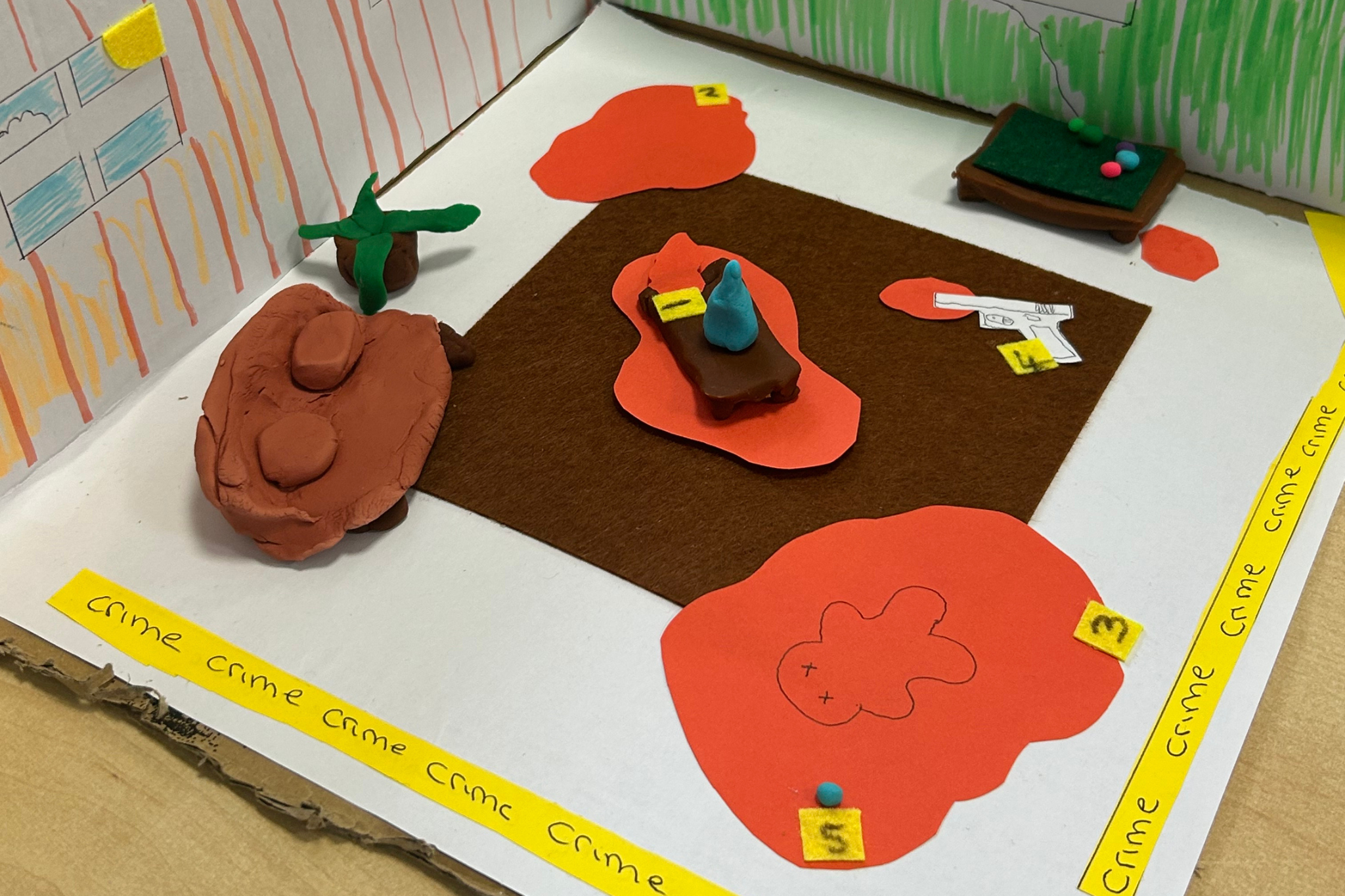
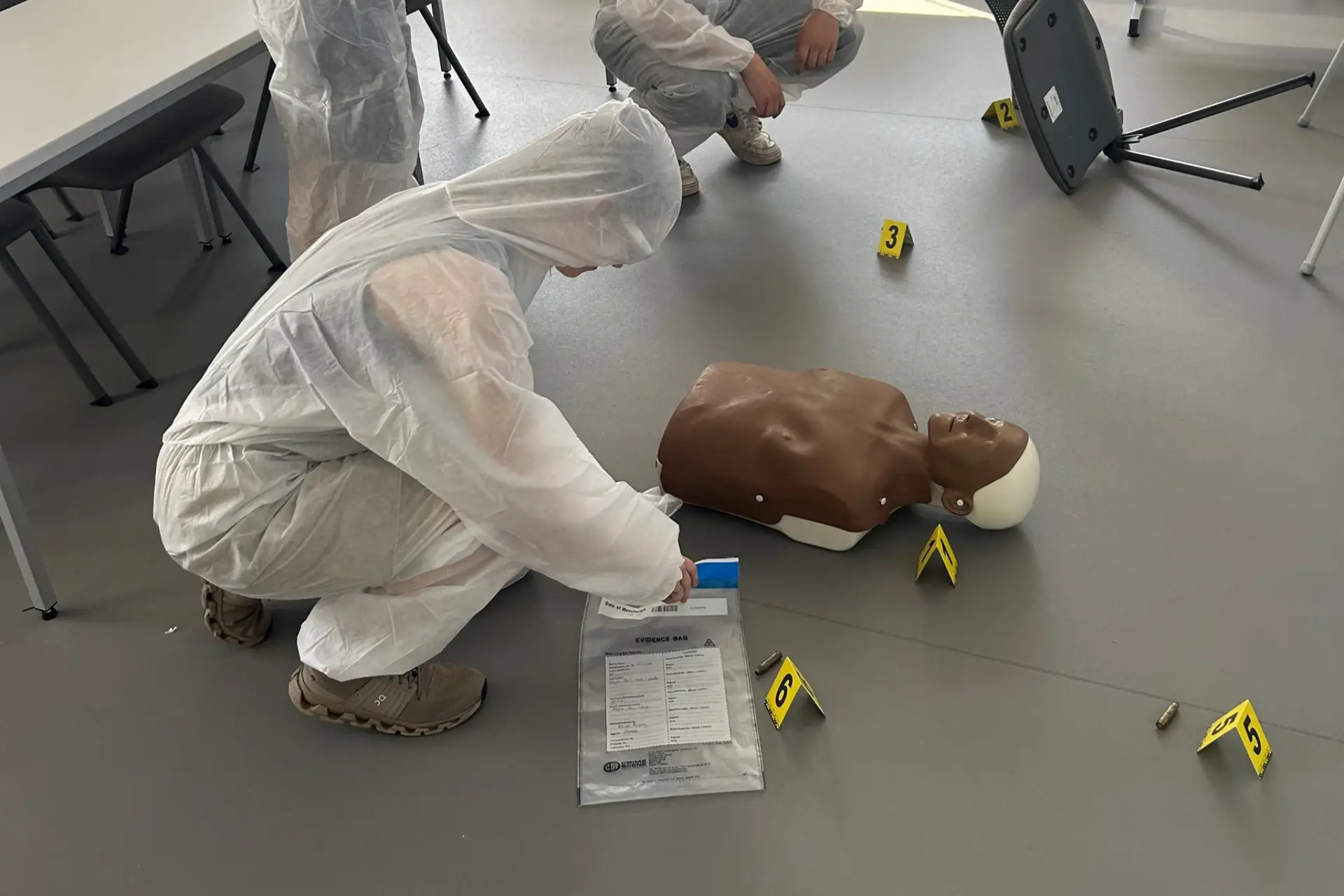
Criminology delves into the study of crime, exploring types of crime, public perceptions and the reasons behind criminal behaviour, as well as why some crimes go unreported.
What career or further study opportunities will be available after completion?
Following completion of your A Level you can progress into Higher Education at College or University. Also explore vocational and apprenticeship opportunities.
What are the entry requirements for this course & what qualifications will I gain upon completion?
To be considered for entry onto this course you will need to have achieved 5 GCSEs at Grade 4 or above including English Language and maths at Grade 5
How long does it take to finish the course?
A Levels are a two-year programme divided into AS Level (first year) and A2 Level (second year).
Year 1: Begin studying AS Level subjects, focusing on foundational knowledge and skills. Engage in coursework and develop effective study habits
Year 2: Continue to A Level, deepening your. understanding of subjects. Prepare for final exams and work on advanced topics to solidify your expertise.
A Levels are advanced qualifications that you study after your GCSEs. They help prepare you for university, further education or the job market. With a range of subjects to choose from, A Levels allow you to focus on what interests you most and build a strong foundation for your future.
A Levels provide an opportunity to dive deeply into subjects you’re passionate about. Unlike GCSEs, where you study a broad range of topics, A Levels allow you to focus on fewer subjects, exploring them in greater detail. This in-depth approach helps you develop a deeper understanding of complex concepts and builds critical thinking skills.
HOW A LEVELS WORK
A Levels are a two-year programme divided into AS Level (first year) and A2 Level (second year). In AS Level, you’ll focus on foundational topics through a mix of lectures and practical exercises. The A2 Level builds on this with more advanced content, refining your knowledge and analytical skills. Final exams at the end of the A2 year determine your overall A Level grade.
A Levels require a strong commitment to both classwork and independent study. You’ll need to balance lectures, discussions and assignments with self-directed learning. Developing good study habits and time management skills will help you stay organised and meet the demands of the programme.
Assessment for A Levels is a combination of exams, coursework and practical assignments, depending on the subject. AS exams focus on foundational topics, while A2 exams assess your understanding of more complex material.